

O-Shot Gallery
$$MultiPurposeText$$
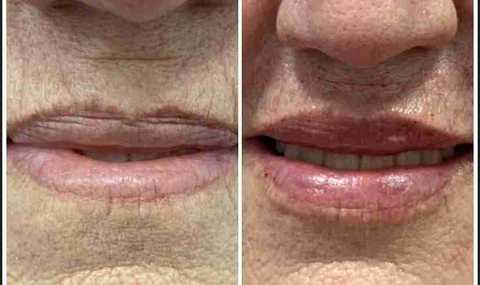
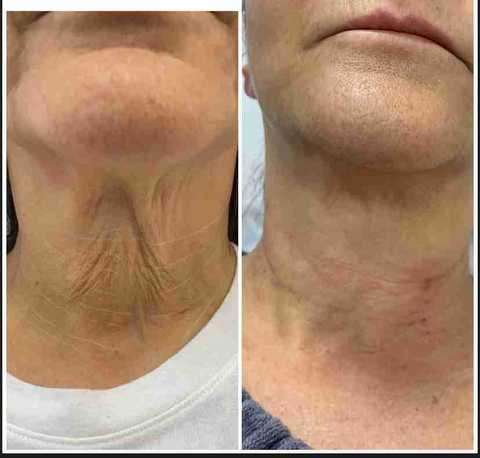
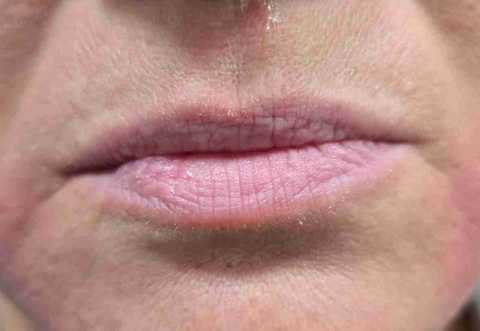
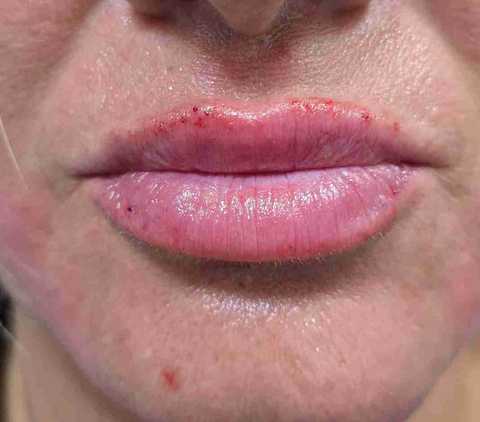
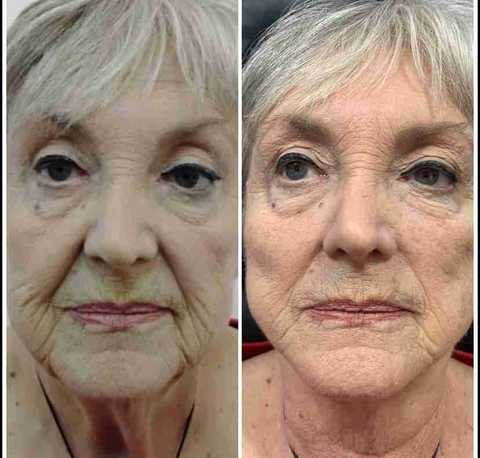
See examples of our O-Shot work and results.



What Our Clients Say
$$MultiPurposeText$$
Read testimonials from our satisfied customers

My really good friend Julie told me about Ami at Bloom !! But she really didn’t have to t...more

I highly recommend Ami for all your cosmetics needs. She is kind ,she truly cares for her ...more

My daughter and I had her hair done today. The color is perfect and the haircut was amazin...more

Great customer service definitely recommend

New to the area and wonderful experience

Affordable, accommodating, and fast service.

Frequently Asked Questions
Get answers to common questions about O-Shot.
Many clients report improved sensitivity and comfort within 4–6 weeks, with continued improvement over three months as platelet-driven healing progresses. Individual timelines vary; an initial series or single treatment may be recommended based on goals and response.
O-Shot is generally safe because it uses your own PRP, reducing allergy risk. Not everyone is a candidate—those with certain blood disorders, infections, or pregnancy are excluded. A medical consultation and health history review determine safety.
Most patients feel only mild discomfort during injections; topical numbing helps. Post-treatment soreness, swelling, or bruising is usually mild and resolves within a few days. Normal activity and sexual activity can often resume per provider guidance—usually after a short wait.
Treatment plans vary; many clients see benefits after a single session, while others benefit from an initial series of two to three treatments spaced months apart. Your provider will recommend a personalized schedule based on symptoms, goals, and response to the first treatment.
Side effects are typically mild and temporary: localized soreness, minor swelling, bruising, or redness. Most clients return to normal activities within a day or two. Your provider will give post-care instructions and timing guidance for resuming sexual activity and exercise.
Some studies and clinical experience suggest PRP treatments like the O-Shot can reduce mild stress or urge incontinence by strengthening tissue and improving neuromuscular function. Results vary; a consultation helps determine appropriateness and expected improvement for individual cases.