

Lip Blush Gallery
$$MultiPurposeText$$
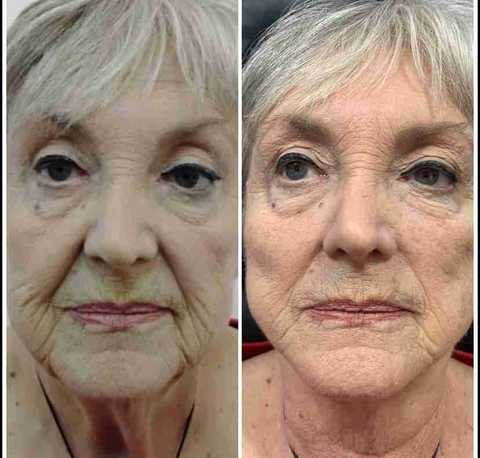
See examples of our Lip Blush work and results.



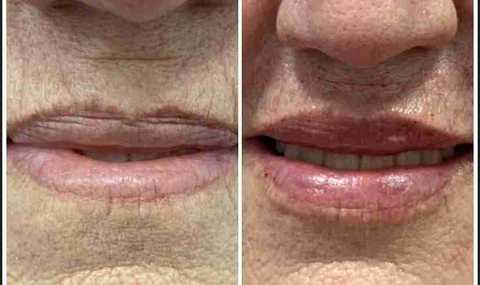
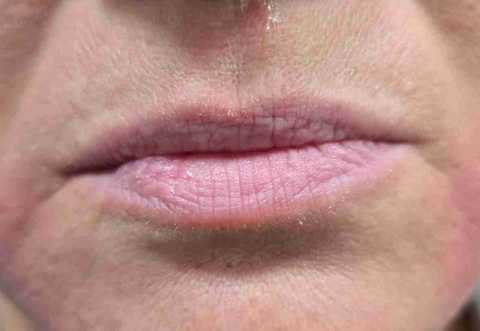
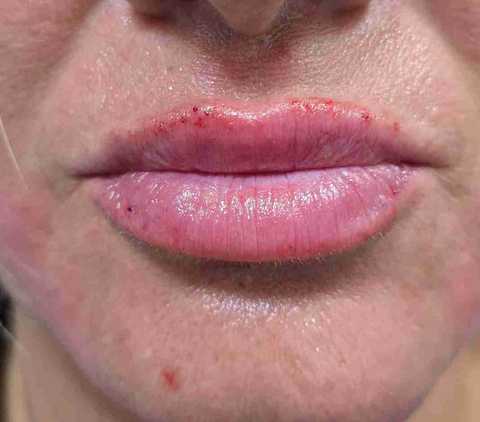
What Our Clients Say
$$MultiPurposeText$$
Read testimonials from our satisfied customers

My really good friend Julie told me about Ami at Bloom !! But she really didn’t have to t...more

I highly recommend Ami for all your cosmetics needs. She is kind ,she truly cares for her ...more

My daughter and I had her hair done today. The color is perfect and the haircut was amazin...more

Great customer service definitely recommend

New to the area and wonderful experience

Affordable, accommodating, and fast service.

Frequently Asked Questions
Get answers to common questions about Lip Blush.
Lip Blush is a semi-permanent cosmetic tattoo that deposits soft pigment into the lips to enhance color, shape, and symmetry. Our technicians customize shade and technique during consultation to achieve a natural, fresh look tailored to your features.
Longevity varies, but Lip Blush generally lasts between one and three years depending on skin type, pigment retention, and sun exposure. A single touch-up at six to twelve months is commonly recommended to maintain color and optimal results.
Most clients experience mild pressure or tingling; discomfort is minimal. We apply a medical-grade topical anesthetic before and during the procedure to ensure comfort. If you have low pain tolerance, discuss additional numbing options during your consultation.
Avoid blood-thinning medications, alcohol, and retinol products for several days before your appointment. Arrive with no lip makeup and inform us of cold sore history, medications, or recent fillers. We will review expectations and color choices beforehand.
Healing takes about seven to fourteen days for surface recovery, with color softening over four to six weeks as pigment settles. Expect initial darker color and possible flaking; follow our aftercare: gentle cleansing, ointment application, and sun protection.
Not everyone is an immediate candidate: pregnancy, breastfeeding, active cold sores, autoimmune disorders, or recent isotretinoin use can contraindicate treatment. Uncontrolled diabetes and certain medications may also disqualify. A full consultation determines eligibility and safety.