

Laser Tattoo Removal Gallery
$$MultiPurposeText$$
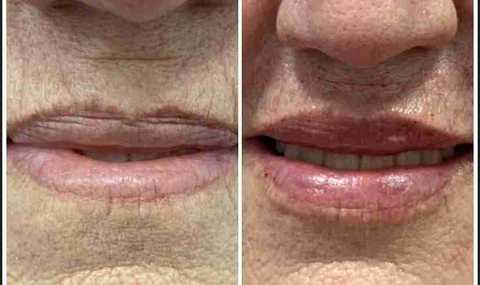
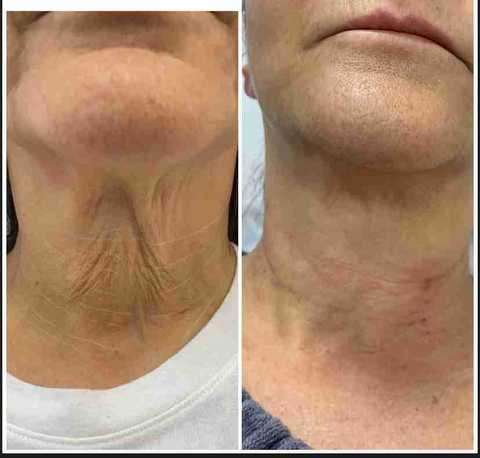
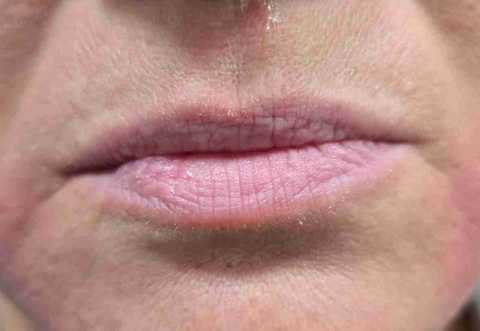
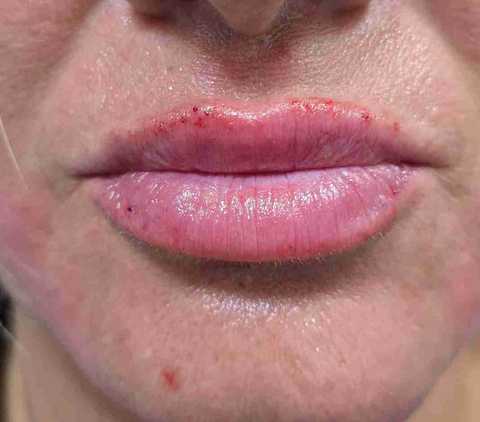
See examples of our Laser Tattoo Removal work and results.



What Our Clients Say
$$MultiPurposeText$$
Read testimonials from our satisfied customers

My really good friend Julie told me about Ami at Bloom !! But she really didn’t have to t...more

I highly recommend Ami for all your cosmetics needs. She is kind ,she truly cares for her ...more

My daughter and I had her hair done today. The color is perfect and the haircut was amazin...more

Great customer service definitely recommend

New to the area and wonderful experience

Affordable, accommodating, and fast service.

Frequently Asked Questions
Get answers to common questions about Laser Tattoo Removal.
Session counts vary widely depending on tattoo size, ink colors, depth, age, and your skin type; most clients require 4–10 sessions spaced 6–12 weeks apart, determined at consultation. We assess progress and adjust protocols to maximize clearance.
Yes. We use multiple wavelengths and conservative settings specially selected for darker Fitzpatrick skin types to reduce hypopigmentation risk. A medical consultation and test patch are performed to tailor treatment and ensure the safest effective approach.
Avoid tanning and direct sun exposure for at least four weeks, stop topical retinoids and self-tanners, and avoid aspirin or anti-inflammatories when possible. Bring photos of your tattoo history and arrive with clean, makeup-free skin for an effective consultation.
You may experience redness, mild swelling, and temporary blistering or scabbing. Keep the area clean, apply recommended ointments, and avoid sun exposure until healed. Most acute healing occurs in one to two weeks; final pigment fading continues over months between sessions.
Not all colors respond equally: black and dark blue clear fastest, while lighter inks like yellow, green, and some fluorescent pigments can be stubborn. We will assess your tattoo and outline realistic expectations; alternative options may include more sessions, combined technologies, or cover-up strategies.
Scarring risk is low when treatments are performed by trained professionals using appropriate settings and good aftercare. Complications increase with poor wound care, infection, or aggressive settings. We perform test patches and provide post-treatment instructions to minimize risks and monitor healing closely.
Read more about Laser Tattoo Removal
$$MultiPurposeText$$
Explore our latest insights and guides on Laser Tattoo Removal.

